TRENDING SEARCHES
Recently Viewed



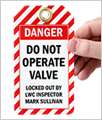
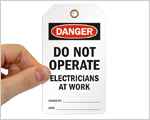
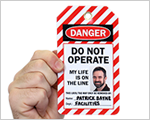
 DANGER: Use only in extreme situations. This is ideal for hazardous situations that, if not avoided, will result in death or serious injury. The word should be in safety white letters on a rectangular safety red background.
 WARNING: This is for situations that will resultin death or serious injury if avoided. The word WARNING should be in safety black letters on a safety orange background.
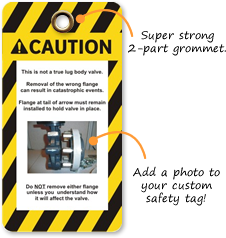
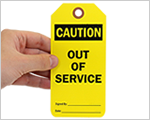
 CAUTION: Indicates a hazardous situation that, if not avoided, could result in minor or moderate injury. Use with the safety alert symbol.
 NOTICE: This header is better for messages related to property damage, not personal injury.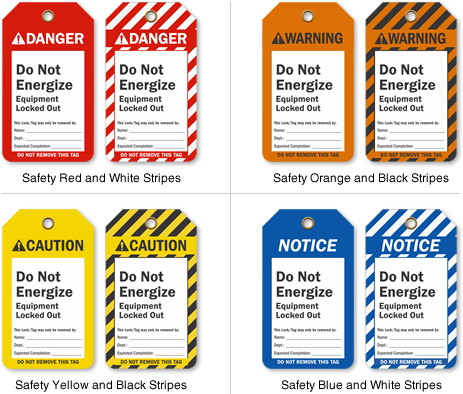
| Wear Dust Mask | Do Not Energize | Keep Hands Off! |
| Do Not Open Valve | Lockout/Tagout All Power Sources | Do Not Drink This Water |
| Do Not Start This Machine | Keep 40'' Away | Watch Your Hands |
| Defective Equipment | Hazardous Voltage | Pinch Points |
| Confined Space | Respiratory Irritants in This Area | Explosive Material |
| Open Trench | Equipment Locked Out |
| Phrase with 'Weasel Words.' | Correction |
| Be sure to clean the filter regularly. | 'Regularly' is too broad. Give a specific time frame. |
| Use 'as needed.' | Not specific enough. Try "Use 48 Ml." |
| may start. | Too vague. Try "Equipment starts automatically." |
| Reclaimed Unsterilized WaterCan Cause Injury. |
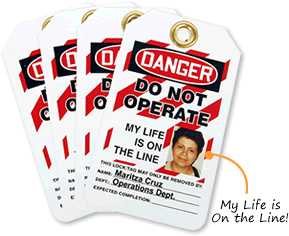
| My Life is On the Line. |
| Can Shock, Burn, or Cause Death. |
| Can Sting Eyes, Irritate Nose, or Cause Death. |
| (Following the action statement: Do Not Remove this Tag”) To Do So Without Authority Will Mean Disciplinary Action! |
| Unauthorized Removal of This Lock/Tag May Result In Immediate Discharge. |
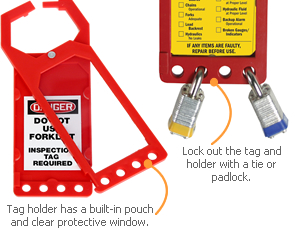
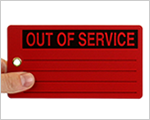
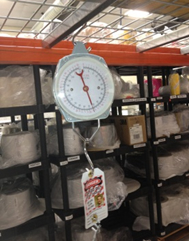 Tagout devices, including their means of attachment, shall be substantial enough to prevent inadvertent or accidental removal. Tagout device attachments shall be of a non-reusable type, attachable by hand, self-locking, and non-releasable with a minimum unlocking strength of no less than 50 pounds and having general design and basic of being at least equivalent to a one-piece, all environment-tolerant nylon cable.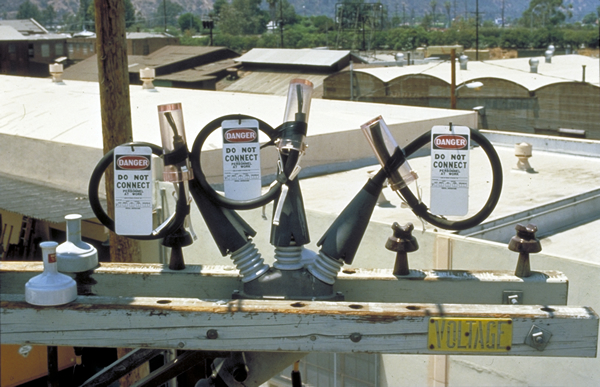
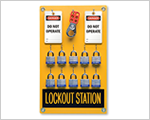
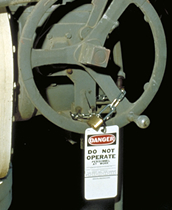 An unexpected trigger of hazardous energy, such as a worker mishandling the wrong chemical canister or equipment piece, can lead to disastrous consequences, from injury to death. For example, a worker could be trying to clear a conveyor jam that could suddenly release, crushing the worker in the process. Without a strong tag or warning system, dangerous chemicals and hazardous energy sources are difficult to distinguish from one another and can be underutilized. Therefore, workplace regulations must focus on tempering potent sources of hazardous energy. According to OSHA’s § 1910.147, workplaces must establish an energy control program, and one of the best ways to identify and manage energy sources is setting a Lockout/Tagout System in place.